
10 selected Research Luxembourg results – December 2025 / January 2026
13 February 2026
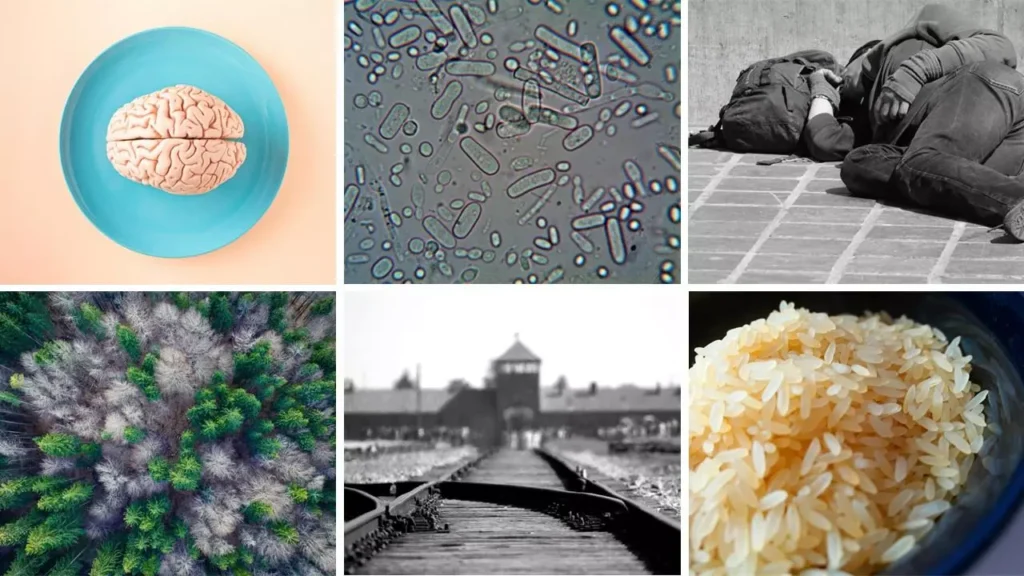
Luxembourg News in Science & Research
How could cold rice help reduce the symptoms of Parkinson’s disease? What role can citizenship play in helping migrants integrate and build stable futures? Here are the latest scientific news updates from the Grand Duchy.
Pexels; Flickr; Pixabay
This article was originally in French and German on science.lu
Citizenship as a driver of migrant integration
Luxembourg Institute of Socio-Economic Research (LISER)
A new study by LISER director Christina Gathmann and researcher Julio Garbers, recently highlighted by The Economist, shows that easier access to citizenship can significantly improve long-term migrant integration. Based on German citizenship reforms, the study found strong positive socio-economic effects, particularly for migrant women.
Benefits included higher incomes, later marriage age, greater investment in skills and careers, and more stable employment. Citizenship also sends two key signals: it provides security for migrants and reassurance for employers, encouraging long-term personal and economic investment.
Overall, the findings suggest that secure citizenship — unlike temporary or uncertain legal status — helps migrants plan for the future and fully contribute to their host society.
Press Release
Discover more Luxembourg’s multiculturism



Resistant starch: an unexpected ally against Parkinson’s symptoms
University of Luxembourg (LCSB)
A research team from the LCSB found that a diet enriched with resistant starch may improve certain symptoms of Parkinson’s disease. Resistant starch — found in foods such as cooked and cooled potatoes, rice, or pasta — directly affects the gut microbiome, which is known to be altered very early in Parkinson’s, even before motor symptoms appear.
In a pilot study with 74 patients, the diet quickly changed the gut microbiota by promoting beneficial bacteria and reducing inflammation. With longer-term intervention, researchers observed improvements in quality of life as well as motor symptoms (such as tremors and slowed movement) and non-motor symptoms (including sleep, mood, and memory problems).
Overall, the findings suggest that diet could become a well-tolerated complementary approach to support Parkinson’s patients and highlight the important role of the gut–brain connection in neurodegenerative diseases.
Press Release
Environmental pollutants: new study links them to metabolic disorders
Luxembourg Institute of Health (LIH)
A LIH study found that exposure to mixtures of environmental pollutants is associated with a higher risk of metabolic disorders. Combined exposure was linked to increased risk of metabolic syndrome (excess weight, high blood sugar and fats), high blood pressure, and hyperglycemia.
The research used 2013–2015 data from the European Health Examination Survey in Luxembourg (EHES-LUX), analyzing over 600 adults aged 25–64. Participants provided health and lifestyle information, underwent clinical exams, and gave hair samples. Researchers measured more than 150 chemicals, including pesticides, herbicides, plastics, and flame retardants. Results suggest that cumulative or synergistic exposure to multiple pollutants raises the risk of nearly all metabolic disorders.
Overall, the study highlights the need to assess pollutant mixtures rather than single substances and supports reducing pesticide use and strengthening regulations addressing combined exposures.
Press Release
Homelessness and poverty in Europe: persistent challenges
Luxembourg Institute of Socio-Economic Research (LISER)
Several major obstacles continue to hinder efforts to reduce poverty in Europe, including housing shortages, regional inequalities, and budgetary or implementation constraints. These are key findings from the report “Tackling Homelessness and Poverty in the EU,” produced by the European Social Policy Analysis Network (ESPAN), which includes LISER, for the European Commission.
The report reviews homelessness and poverty across all 27 EU member states, examining national definitions, policy frameworks, anti-poverty measures, access to social and healthcare services, and minimum income schemes.
Overall, the authors stress the need for coordinated, cross-sector approaches to effectively reduce homelessness, poverty, and social exclusion, and provide policy recommendations relevant at both EU and national levels — including Luxembourg.
Press Release
The fate of Jews in Luxembourg during the Holocaust
University of Luxembourg (C2DH)
The book “Life Stories – The Jews of Luxembourg and the Holocaust” examines why and how Jewish families settled in Luxembourg and what happened to them during the Nazi occupation, using a microhistorical approach based on thorough research.
Twenty authors trace the lives of long-established residents and recent migrants fleeing pogroms, whose lives were upended by Nazi racial laws after 1940. The book highlights figures such as Alfred Oppenheimer, president of the Israelite Consistory, who was forced by the Gestapo to help organize deportations while sometimes managing to save lives through negotiation. Deported with his family in 1943, his story reflects the tragic complexities of the era.
Originally created for a digital Holocaust memorial, these biographies now serve as an essential tool for education, research, and historical memory for future generations.
Press Release
A gut bacterium that promotes colorectal cancer progression
University of Luxembourg (FSTM)
The intestinal bacterium Fusobacterium nucleatum has long been linked to colorectal cancer. Recent research at the University of Luxembourg uncovers a previously unknown mechanism: the bacterium interacts not only with cancer and immune cells but also with fibroblasts, key cells in the tumor microenvironment. Normally, fibroblasts produce collagen and other fibers that support and maintain tissues.
The study shows that F. nucleatum can invade fibroblasts and reprogram them to produce inflammatory molecules. This pro-inflammatory environment makes cancer cells more invasive and accelerates disease progression. Findings were confirmed using clinical samples from extensive colorectal cancer biobanks in Luxembourg.
Although still at a preclinical stage, these results open promising avenues: targeting the bacterium, blocking its interaction with fibroblasts, or using its presence as a biomarker.
Press Release
Discover more news about Cancer research in Luxembourg:


A new therapeutic framework to better fight glioblastoma
Luxembourg Institute of Health (LIH)
Researchers at LIH’s NORLUX laboratory explain why immunotherapies—effective in other cancers—largely fail against glioblastoma, a highly aggressive brain tumor. The new study shows that glioblastoma can extensively remodel the immune system, creating a strongly immunosuppressive microenvironment. Active T cells are scarce, while macrophages (immune cells that normally clear microbes and debris) are reprogrammed to support tumor growth.
These immune cells form distinct niches influenced by oxygen, blood vessels, and treatments, which affect their behavior. Radiation and chemotherapy further reshape this environment, making relapses even more resistant to immunotherapy.
The LIH team proposes a new conceptual framework focused on treatment timing, which could pave the way for more effective and durable immunotherapy strategies against glioblastoma.
Press Release
Therapeutic potential of the probiotic Akkermansia muciniphila: promises and limits
Luxembourg Institute of Health (LIH)
In a new study, the LIH Nutrition, Microbiome & Immunity group studies the complex role of Akkermansia muciniphila, a gut bacterium with promising health benefits. Present in about 40% of people, it feeds on the intestinal mucosa and can influence metabolism, blood sugar, and appetite regulation, making it a candidate for next-generation probiotics.
However, its effects vary greatly depending on diet, genetics, microbiome composition, individual health, and strain diversity. Some strains can modify immune responses or intestinal barrier function. Thus, A. muciniphila represents both significant therapeutic potential and the complexity of context-dependent microbiome interventions.
The team emphasizes that clinical and biotechnological applications—from metabolic syndrome management to cancer trials or universal blood development—require cautious, evidence-based approaches to ensure safety and efficacy.
Press Release
High-quality breast cancer care in Luxembourg
Luxembourg Institute of Health (LIH), National Cancer Registry (RNC)
The Luxembourg National Cancer Registry contributed to an international study analyzing the management of breast, cervical, and ovarian cancers in over 250,000 women across 39 countries.
Results reveal significant inequalities: in low- and middle-income countries, fewer patients are diagnosed early or receive guideline-compliant treatments, and delays between diagnosis and treatment can stretch to several months, unlike in high-income countries. Age also affects access to care. The study, part of the VENUSCANCER project, focused on stage at diagnosis, treatments, and biomarkers to understand global variations in care.
Luxembourg’s contribution highlights both the quality of local data and healthcare and underscores the importance of cancer registries in shaping health policy and reducing worldwide disparities.
Press Release
Biodiversity at risk: 30% of bird species threatened and only 15% of trees healthy in Luxembourg
STATEC has published its first comprehensive biodiversity dashboard, “Biodiversity in Numbers,” offering reliable indicators on the state of Luxembourg’s ecosystems. The data reveal a significant environmental decline. The share of trees with no signs of damage has dropped dramatically — from 79.1% in 1984 to just 15.1% in 2024. No surface water bodies are currently in good ecological condition, and the number of threatened species is rising (30% of birds, 26% of butterflies, and 35% of vascular plants). A positive note: spending on biodiversity protection is increasing.
Overall, the report stresses that species-rich ecosystems are more resilient and that monitoring biodiversity is becoming a key priority in the face of climate change.
Press Release
Author: Diane Bertel
Editor: Lucie Zeches (FNR) ; Nicolas Stamets (Research Luxembourg)
Similar articles
-
12.03.2026
10 selected Research Luxembourg results – February 2026
Coloured solar cells for a better acceptance; Sensors providing data on the health of concrete; News on the functioning of… -
13.02.2026
10 selected Research Luxembourg results – December 2025 / January 2026
Coloured solar cells for a better acceptance; Sensors providing data on the health of concrete; News on the functioning of… -
18.12.2025
10 selected Research Luxembourg results – November 2025
Coloured solar cells for a better acceptance; Sensors providing data on the health of concrete; News on the functioning of… -
20.11.2025

10 selected Research Luxembourg results – October 2025
Coloured solar cells for a better acceptance; Sensors providing data on the health of concrete; News on the functioning of… -
16.10.2025
10 selected Research Luxembourg results – September 2025
Coloured solar cells for a better acceptance; Sensors providing data on the health of concrete; News on the functioning of… -
07.08.2025
10 selected Research Luxembourg results – July 2025
Coloured solar cells for a better acceptance; Sensors providing data on the health of concrete; News on the functioning of… -
16.07.2025

Young at heart: Luxembourg ranked as the EU’s second youngest country
Luxembourg’s population, with an average age of 39.7, is one of the youngest in the EU. This is another strong… -
03.07.2025

10 selected Research Luxembourg results – June 2025
Coloured solar cells for a better acceptance; Sensors providing data on the health of concrete; News on the functioning of…